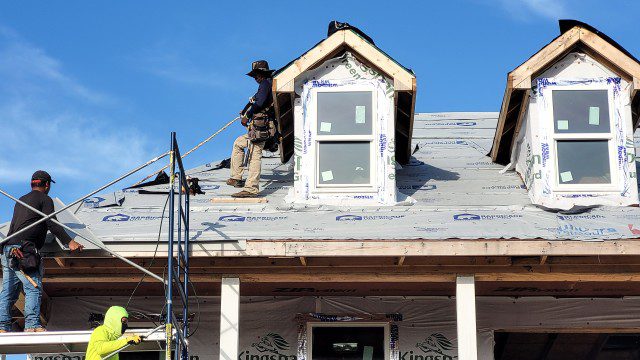
Finding a roof leak can be an intimidating task, especially if you’re not familiar with the signs and symptoms of a leaking roof. However, it’s important to identify any leaks in your roof as soon as possible so you can take action to repair them before more damage is done. In this blog post, we’ll discuss how to find a roof leak and what steps you should take once you’ve identified it. By following these tips, you can help ensure that your home stays safe from water damage caused by a leaky roof.
The first step in finding a roof leak is to inspect your roof for any signs of water damage. Look for visible stains on the inner and outer surfaces of your roof, as these can indicate that there’s a leak somewhere. You should also check inside your attic for any water spots or mold growth, which could point to a problem spot on the roof. If you see these kinds of signs, it’s important to contact a professional immediately so they can investigate further and identify the exact source of the leak.
Another way you can check for leaky roofs is by using specialized equipment such as thermal imaging cameras or moisture meters to detect possible areas where leaks may be occurring. This type of technology will help you quickly and accurately pinpoint the exact location of the leak. If you’re unsure how to use this kind of equipment or don’t have access to it, you may want to contact a professional roofer who can help inspect your roof for any potential problems.
Once you’ve identified where the leak is coming from, it’s time to take action and repair the damage. Depending on the extent of the leak and its location in your home, you may need to hire a professional roofing company or contractor to take care of repairs. You should also inspect other areas of your roof that might be affected by water damage, such as gutters and downspouts, chimneys, vents, and skylights.
Table of Contents
ToggleRoof Leak
Leaking roofs can be a major issue for homeowners. Left untreated, a leaking roof can cause significant damage to your home and lead to costly repairs down the line. It’s important to identify any signs of a leaky roof as soon as possible so you can take action and repair it before more damage is done.
A good place to start when looking for signs of a leaking roof is to inspect the interior and exterior surfaces of your roof for visible signs of water damage. These can include stains, discolorations, or bubbling paint which could point to a problem spot on the roof. You should also inspect the attic for any water spots, mold growth, or dampness that could signal a problem with your roof’s drainage system.
Another way to check for potential leaks in your roof is by using specialized equipment such as thermal imaging cameras or moisture meters. This technology will help you quickly and accurately detect areas where there may be possible water infiltration in your home’s attic or walls due to a leaking roof. If you’re unsure how to use this kind of equipment or don’t have access to it, you may want to contact a professional who can help inspect your roof for any potential problems.
Once you’ve identified where the leak is coming from, it’s time to take action and repair any damage caused by the leak. Depending on the extent of the leak and its location in your home, you may need to hire a professional contractor or roofing company that has experience repairing roofs quickly and safely. In addition, inspecting other areas of your home that may be affected by water damage caused by the leaky roof is also essential – look for problems around gutters, chimneys, vents, skylights, etc., that might need attention due to excess water infiltration in those areas. Taking these steps will help ensure that your home remains safe and free from further water damage due to leaking roofs!
Roofing nails
Roofing nails are a crucial component of any roof and are used to install shingles, underlayment, metal flashing, and more. These nails are made from galvanized steel or stainless steel and feature a specialized head with two sharp points. This allows the roofing nail to penetrate into the wood and other materials more easily, as well as providing a secure hold for the material it is connecting.
When installing roofing nails, it’s important to use the right type for the job – galvanized steel is ideal for outdoor wood applications such as siding installation on sheds or garages, while stainless steel nails work best when attaching metal flashing due to their higher corrosion resistance. It’s also essential that you ensure proper spacing between each nail head, as this will help keep your shingles securely in place and prevent them from shifting over time due to wind or other weather conditions.
The length of roofing nails can vary depending on the material they’re being installed into. Generally speaking, it’s recommended that you use 2-inch long nails for plywood sheets and 1-3/4 inch long nails for dimensional lumber such as 2x4s. It’s important to note that if you’re using longer nails than what is recommended, they may not be able to penetrate through some materials completely which could create a weak spot in your roof later on down the line.
Finally, when working with roofing nails it’s essential that you wear safety glasses at all times to protect your eyes from flying debris or sharp pieces of metal. Additionally, it can be helpful to have a hammer with a magnetic tip which allows easier placement of the nail heads without having them slip out of position due to air pressure or gravity. Working safely with roofing nails is an integral part of making sure that your roof lasts for years!
Roofing contractor
A roofing contractor is a professional who specializes in installing and repairing roofs. They have the knowledge, experience, and equipment required to properly install and maintain your roof in order to protect your home from water damage and other elements. When selecting a roofing contractor, it’s important to look for one with years of experience, an impeccable track record with customers, and the proper licenses and certifications.
When hiring a roofing contractor, you should also make sure you are getting the most value for your money by confirming that they are using quality materials such as asphalt shingles or metal flashing that will last longer than cheaper alternatives. Additionally, make sure your contractor is insured so that if any accidents occur during the repair process you will not be liable.
Roofing contractors should provide estimates on how long it will take to complete a job – usually 2-3 days for simple repairs or installation of new shingles – as well as what materials will be used and what warranties they offer on their work. Additionally, contractors should inspect any existing damage to the roof prior to beginning work in order to determine if further repair or replacement is necessary.
In addition to performing repairs or installations, some roofing contractors may also specialize in particular services such as rubberized coatings for flat roofs or solar panel installation. If you are looking for these types of services specifically, make sure that your contractor has experience with them beforehand.
Overall, when selecting a roofing contractor it’s important to research their credentials thoroughly in order to ensure that you are getting the best quality service possible. There is no substitute for experience when it comes to something as vital as maintaining your roof!