
Are you ready to take on the challenge of roofing your own home and Roofing as a DIY Project? DIY roofing can save you money and give you a sense of accomplishment.
In this article, we’ll guide you through the benefits, tools, and materials you’ll need. We’ll show you how to prepare your roof and provide a step-by-step installation guide.
We’ll also share common mistakes to avoid and offer tips for maintaining and repairing your DIY roof.
Get ready to unleash your power as a DIY roofer!
Table of Contents
ToggleRoofing as a DIY Project and Benefits of DIY Roofing
The benefits of DIY roofing are that it can save you money and give you a sense of accomplishment. By taking on the task yourself, you can significantly reduce the cost of hiring professional roofers. Roofing contractors often charge a hefty fee for their services, and by bypassing this expense, you can save a substantial amount of money.
Additionally, tackling your roof as a DIY project allows you to have full control over the materials and methods used. You can choose high-quality materials at a more affordable price, ensuring that your roof is both durable and cost-effective.
In addition to the cost savings, DIY roofing also provides a sense of accomplishment. Successfully completing a roofing project on your own can be incredibly empowering. It showcases your ability to take on challenging tasks and conquer them. You can take pride in the fact that you accomplished something that many people rely on professionals for. This sense of achievement can boost your confidence and inspire you to take on other home improvement projects in the future.
Overall, the benefits of DIY roofing are undeniable. Not only does it save you money, but it also gives you a sense of power and accomplishment. So, if you are up for the challenge, consider taking on your roofing project yourself and enjoy the rewards that come with it.
Tools and Materials Needed for DIY Roofing
When it comes to tackling a DIY roofing project, there are a few key points to keep in mind. First, having the right tools is crucial to ensure the job is done efficiently and effectively. Second, choosing the best roofing materials will not only enhance the durability of your roof but also improve its overall appearance. Lastly, it’s important to prioritize safety by taking necessary precautions to protect yourself and prevent accidents while working on the roof.
Essential Roofing Tools
To tackle your DIY roofing project, you’ll need a few essential tools. These tools are crucial for successfully completing your roofing task with power and authority.
First and foremost, you’ll need a sturdy ladder to access your roof safely and effectively.
Additionally, a roofing hammer is essential for nailing down shingles and securing your roof.
A utility knife will come in handy for cutting shingles and making precise cuts.
To ensure proper measurements, a tape measure is indispensable.
A roofing nail gun can save you time and effort, making the installation process more efficient.
Lastly, don’t forget about safety goggles, gloves, and a hard hat to protect yourself during the project.
Best Roofing Materials
For a successful and efficient roofing job, it’s essential to have the best materials on hand. When it comes to DIY roofing, there are various options to consider, each with its own pros and cons.
First, let’s discuss the different types of roofing materials available. Asphalt shingles are the most popular choice due to their affordability and durability. They come in a variety of colors and styles, making them suitable for various architectural designs.
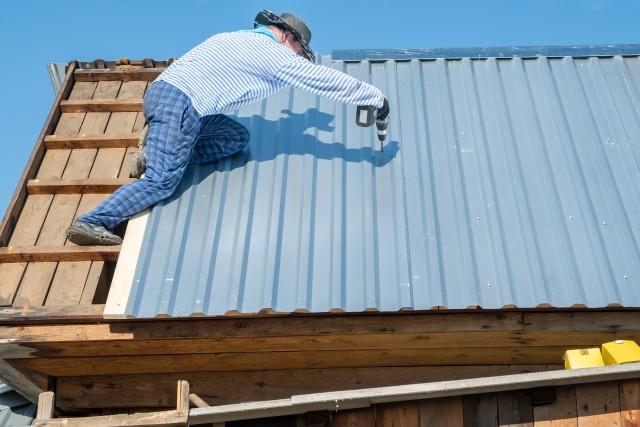
Metal roofing, on the other hand, offers excellent longevity and resistance to extreme weather conditions. It is lightweight, fire-resistant, and environmentally friendly.
Lastly, there is the option of clay or concrete tiles, known for their classic appearance and durability. However, they can be heavy and require proper installation.
Consider the specific needs of your project and choose the roofing material that suits you best.
Safety Precautions for Roofing
To ensure your safety while working on your roof, it’s important to take proper precautions. Roofing safety should be your top priority to avoid any accidents or injuries.
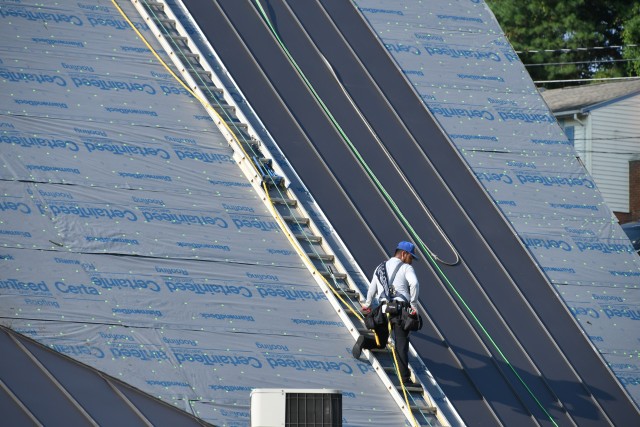
Before you start any roofing project, make sure you have the right roofing equipment. This includes a sturdy ladder that is properly secured, safety harnesses, and non-slip footwear. Always wear protective gear such as a hard hat, safety goggles, and gloves.
It’s also crucial to inspect the roof for any structural weaknesses or loose shingles before stepping onto it. Be mindful of the weather conditions and never work on a wet or icy roof.
Preparing Your Roof for DIY Installation
Before you begin your DIY roof installation, it’s important to take proper safety precautions and ensure you have the necessary equipment. This includes wearing protective gear such as gloves, goggles, and a hard hat, as well as using safety harnesses and ladders with stabilizers.
Additionally, before starting the installation, it’s crucial to thoroughly inspect your roof for any damage or leaks and make any necessary repairs.
Lastly, choosing the right materials for your roof is crucial in ensuring its longevity and durability. Consider factors such as weather resistance, energy efficiency, and aesthetic appeal when making your selection.
Safety Precautions and Equipment
It’s important to wear protective gear when doing a DIY roofing project. Your safety should be your top priority, so make sure to follow these precautions and use the right equipment:
1. Fall Protection: Invest in a sturdy harness and secure yourself to an anchor point to prevent falls from the roof. This will give you the confidence to work at heights without any fear.
2. Ladder Safety: Choose a ladder that is the right height and weight capacity for your project. Ensure the ladder is placed on a stable surface and use ladder stabilizers or standoff brackets to provide additional support and prevent slips.
3. Safety Glasses: Protect your eyes from debris, nails, and other hazards by wearing safety glasses. One small accident could lead to serious eye injuries, so don’t take any chances.
4. Gloves: Use heavy-duty gloves to protect your hands from sharp objects, cuts, and burns. They will provide the necessary grip and prevent accidents while handling tools and materials.
By following these safety precautions and using the proper equipment, you will be able to complete your DIY roofing project with confidence and power.
Roof Inspection and Repair
Make sure you inspect your roof regularly for any signs of damage or wear and tear. Proper roof inspection techniques are crucial in identifying potential issues early on and preventing costly repairs down the line.
Start by examining the roof from the ground, looking for missing or damaged shingles, sagging areas, or any signs of water damage.
Next, climb up a ladder and carefully inspect the roof up close, paying attention to the flashing around chimneys and vents, as these are common trouble spots.
It’s important to note that while DIY roof repairs can save you money, there are common roof repair mistakes to avoid. These include using improper materials, neglecting safety precautions, and not addressing the root cause of the problem.
Choosing the Right Materials
To ensure you choose the right materials for your roof, consider factors such as durability, weather resistance, and cost.
When it comes to choosing the right materials, you must prioritize durability to ensure your roof withstands harsh weather conditions and lasts for a long time. Look for materials that are specifically designed to be weather resistant, such as metal or asphalt shingles. These materials are known for their strength and ability to withstand wind, rain, and UV rays.
Additionally, it is important to consider cost-effective options. While some materials may be more expensive upfront, they may save you money in the long run due to their durability and low maintenance requirements.
Take the time to research and compare different materials to make an informed decision that meets your needs and budget.
Step-by-Step Guide to Installing a New Roof
Installing a new roof can be a challenging DIY project, but with a step-by-step guide, it becomes much more manageable. By taking on the task yourself, you have the power to save money and avoid common roofing mistakes. Follow these steps to ensure a successful installation and maximize your cost savings.
First, gather all the necessary materials and tools. This includes roofing shingles, nails, a hammer, a ladder, and safety equipment such as gloves and goggles.
Next, prepare the roof by removing the old shingles and inspecting the underlying structure for any damage. Make any necessary repairs before moving on.
Once the roof is prepped, start by laying down a layer of underlayment to provide additional protection against moisture. Then, begin installing the shingles from the bottom up, overlapping each row to prevent leaks. Use a nail gun or hammer to secure the shingles in place, being careful not to damage them.
After the shingles are installed, it’s important to properly seal any seams or gaps to ensure a watertight roof. Finally, clean up any debris and inspect your work for any missed spots or errors.
Common Mistakes to Avoid in DIY Roofing
One common mistake to avoid when doing your own roof is not properly inspecting the underlying structure for any damage before starting the installation. This step is crucial to ensure that your new roof will have a strong and stable foundation. Start by checking for any signs of water damage, such as sagging or rotting wood. Look for cracks, gaps, or missing shingles that may indicate a compromised structure. It’s also important to inspect the attic for any signs of leaks or water stains.
Another mistake to avoid is using the wrong materials for your roof. Make sure to research and choose the appropriate materials for your specific climate and roof type. Using the wrong materials can lead to premature wear and damage. Additionally, improper installation techniques can also cause problems down the line. Take the time to educate yourself on proper installation methods or consider hiring a professional if you’re unsure.
Lastly, don’t overlook the importance of safety. Roofing can be dangerous, so it’s essential to take proper precautions. Wear appropriate safety gear such as a hard hat, non-slip shoes, and harnesses if necessary. Always work with a partner and have a plan in case of an emergency.
## Maintaining and Repairing Your DIY Roof
Make sure you regularly inspect and maintain your DIY roof to identify any potential issues before they become bigger problems. Proper roofing maintenance is crucial to ensure the longevity and durability of your roof. By following a few simple steps, you can keep your DIY roof in excellent condition.
Start by inspecting your roof at least twice a year or after any major weather events. Look for signs of damage such as missing or cracked shingles, loose flashing, or sagging areas. Address these issues promptly to prevent further damage. Clean your gutters regularly to prevent clogs and water buildup, which can lead to leaks and water damage.
In addition to regular inspections, make sure to perform DIY roof repairs as needed. Replace any damaged or missing shingles and fix any loose flashing or seals. Use high-quality materials and follow manufacturer guidelines to ensure proper installation. Don’t forget to check the condition of your attic insulation and ventilation, as these play a crucial role in maintaining the integrity of your roof.
Safety Tips for DIY Roofing Projects
Ensure your safety while working on your roof by following these helpful tips:
1. Fall Prevention:
– Always wear a safety harness and secure it to a sturdy anchor point.
– Use guardrails or edge protection to prevent accidental falls.
– Avoid working on the roof during bad weather or when it’s wet or slippery.
– Be cautious when working near skylights or fragile surfaces.
2. Ladder Safety:
– Choose a sturdy and stable ladder that can support your weight.
– Ensure the ladder is positioned on a level and solid surface.
– Use the 4-to-1 rule: for every 4 feet of ladder height, move the base 1 foot away from the wall.
– Maintain three points of contact at all times when climbing up or down the ladder.
Remember, your safety is paramount when undertaking a DIY roofing project. Falls from roofs can result in serious injuries or even fatalities. By implementing fall prevention measures and practicing ladder safety, you can significantly reduce the risk of accidents.
Take the necessary precautions, use appropriate safety equipment, and always prioritize your well-being.
When to Hire a Professional Roofing Contractor
Consider hiring a professional contractor when you’re unsure about the complexity of the roofing task. Hiring professionals for your roofing needs ensures that the job is done correctly and efficiently, saving you time and the hassle of potential mistakes.
While taking on a DIY roofing project may seem empowering, it’s essential to weigh the cost considerations and potential risks involved.
Professional roofing contractors have the necessary expertise and experience to handle a wide range of roofing tasks. They are well-versed in the latest industry standards and best practices, ensuring that your roof is installed or repaired to the highest quality. By hiring professionals, you can rest assured that the job will be completed with precision and attention to detail.
When considering the cost of hiring a professional contractor, it’s important to factor in long-term savings. While the initial investment may be higher than a DIY project, professionals can identify and address roofing issues before they become costly problems. Additionally, reputable contractors often have access to high-quality materials at a lower cost, saving you money in the long run.
Ultimately, hiring a professional roofing contractor provides peace of mind and ensures a job well done. By considering the complexity of the task and the potential cost considerations, you can make an informed decision that will benefit you in the long term. Don’t underestimate the power of professionals when it comes to your roofing needs.
In conclusion, undertaking a DIY roofing project can be a rewarding and cost-effective endeavor. By following the step-by-step guide and avoiding common mistakes, you can successfully install a new roof and maintain it for years to come.
Remember to prioritize safety, use the necessary tools and materials, and seek professional help when needed. With careful planning and attention to detail, you can save money and take pride in the accomplishment of completing your own roofing project.
So why wait? Start your DIY roofing journey today!