
Are you struggling with common issues in industrial roofing? Don’t worry, we’ve got you covered.
In this article, we will discuss the most prevalent problems that plague industrial roofs. From leakages and water damage to poor insulation and energy efficiency, we will delve into the technicalities and provide you with expert advice.
So, whether you’re dealing with structural and support issues or material degradation and aging, we will guide you on how to overcome these challenges.
Plus, we’ll also address improper installation and maintenance, as well as safety and occupational hazards.
Get ready to tackle these issues head-on!
Common Issues in Industrial Roofing and Leakages and Water Damage
One of the most common issues in industrial roofing is the occurrence of leakages and water damage. To address this problem, it is crucial to implement effective waterproofing techniques and preventive measures. Waterproofing techniques involve creating a barrier to prevent water penetration through the roof. This can be achieved by using waterproof membranes, sealants, and coatings that are specifically designed for industrial roofs.
Regular inspections and maintenance are essential to identify any potential leaks or weak spots in the roof. Implementing preventive measures such as clearing debris, maintaining proper drainage systems, and addressing any damaged or missing shingles can significantly reduce the risk of water damage.
Adequate ventilation is also essential to prevent condensation buildup, which can lead to moisture-related issues.
Poor Insulation and Energy Efficiency
To improve the energy efficiency of your building, you’ll want to address the poor insulation in your roofing. Inadequate insulation can lead to high utility costs and inadequate temperature control within your facility. 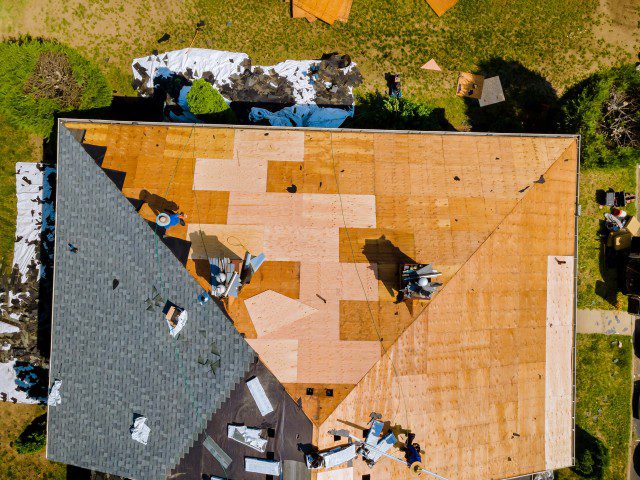
Proper insulation is essential to ensure that your building retains heat during the colder months and stays cool during the warmer months. By improving the insulation in your roofing, you can reduce the amount of heat transfer that occurs, resulting in lower energy consumption and more consistent indoor temperatures.
Additionally, addressing poor insulation can help prevent air leakage, which can further contribute to energy inefficiency and discomfort. Consider consulting with a professional roofing contractor to assess your insulation needs and determine the best course of action to improve energy efficiency in your building.
Structural and Support Issues
If you’re experiencing structural and support issues with your building, it’s important to address them promptly to ensure the safety and stability of your facility.
Structural reinforcement is vital in preventing further damage and potential collapse. It involves strengthening the existing framework, such as beams and columns, to withstand the load-bearing capacity required by your building. A thorough assessment of the structural integrity is necessary to determine the extent of the problem and the most effective solution. This may involve adding additional support elements, such as steel braces or trusses, to distribute the weight more evenly.
It’s crucial to consult with experts in the field who can provide guidance and implement the necessary measures to reinforce your building’s structure, ensuring its long-term durability and safety.
Material Degradation and Aging
The degradation of materials in buildings due to aging can lead to structural instability and potential safety hazards. Regular roofing maintenance is crucial to ensure the longevity and structural integrity of the roof. Over time, roofs can deteriorate due to weather exposure, UV radiation, moisture, and other environmental factors. This can result in cracks, leaks, and weakened structures. It is important to address these issues promptly to avoid further damage and costly repairs. In some cases, roof replacement may be necessary to ensure the safety of the building occupants and maintain the structural integrity.
Seeking professional advice and conducting regular inspections can help identify potential problems and take appropriate measures to maintain the roof’s performance.
Improper Installation and Maintenance
Improper installation and maintenance can greatly contribute to the degradation and instability of materials in buildings. When it comes to industrial roofing, these issues can be particularly problematic.
One common problem that arises from inadequate installation and maintenance is inefficient ventilation. Without proper ventilation, moisture can become trapped in the roofing system, leading to the deterioration of materials over time. This can result in leaks, mold growth, and structural damage.
Another issue that can arise from improper installation and maintenance is faulty flashing. Flashing is an essential component of a roofing system as it helps to prevent water penetration at vulnerable areas, such as roof edges and penetrations. If the flashing is not installed correctly or is not properly maintained, water can seep into the building, causing significant damage.
Therefore, it is crucial to ensure proper installation and regular maintenance to avoid these issues and maintain the longevity and stability of industrial roofing systems.
Safety and Occupational Hazards
Safety and occupational hazards can pose significant risks to workers in the construction industry. In the specific context of industrial roofing, there are two key hazards that workers need to be aware of: fall protection and electrical hazards.
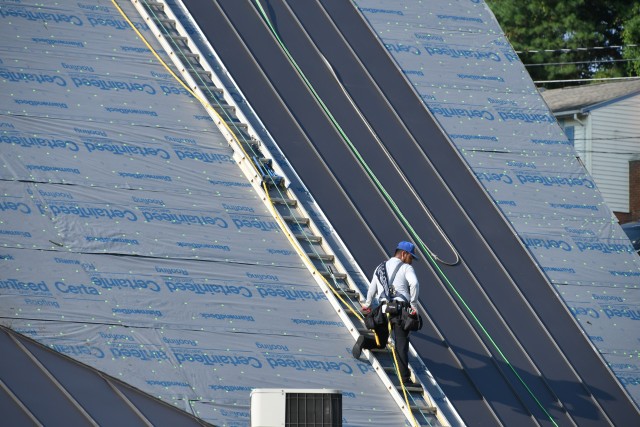
When working at heights, it is essential to have proper fall protection systems in place. This includes the use of guardrails, safety nets, and personal fall arrest systems. Workers should also receive adequate training on how to use this equipment correctly.
Electrical hazards are another concern in the construction industry. Workers should be cautious when working near power lines or electrical equipment. They should use insulated tools, wear appropriate personal protective equipment, and follow proper lockout/tagout procedures to prevent electrical accidents.
Conclusion
Now that you’re aware of the common issues in industrial roofing, it’s crucial to address these concerns promptly.
Leaks and water damage can lead to extensive structural damage. Poor insulation and energy efficiency can result in higher utility costs. Structural and support issues can compromise the safety of the building.
Material degradation and aging can reduce the lifespan of the roof. Improper installation and maintenance can further exacerbate these problems.
By tackling these issues head-on and implementing regular inspections and maintenance, you can ensure the longevity and functionality of your industrial roofing system.