Table of Contents
ToggleHow to Choose a Trusted Roofing Company in New Jersey (Without Learning the Hard Way)
To choose Trusted Roofing Company in New Jersey, I’ll start with a confession. The first time I hired a roofer in New Jersey, I chose the cheapest quote.
And yes, you already know how that ended.
Six months later, after a nor’easter rolled through and dumped freezing rain across Middlesex County, the “brand-new” roof started leaking. The contractor? Gone. Phone disconnected. Warranty? A single sheet of paper with no company address.
Does that sound familiar?
Choosing a roofing company in New Jersey isn’t just about shingles and nails. It’s about trust, accountability, and understanding how brutal our local weather can be. NJ roofs deal with humid summers, icy winters, salt air near the Shore, and sudden storms that test every flashing joint.
Think of your roof like the skin of a house—it protects everything beneath it. And once that skin fails, problems spread fast.
Why New Jersey Roofing Is Its Own Beast
Roofing in New Jersey isn’t the same as roofing in Arizona or Texas. According to climate data summarized on
Wikipedia’s Climate of New Jersey page, our state experiences wide temperature swings, frequent precipitation, and seasonal freeze-thaw cycles.
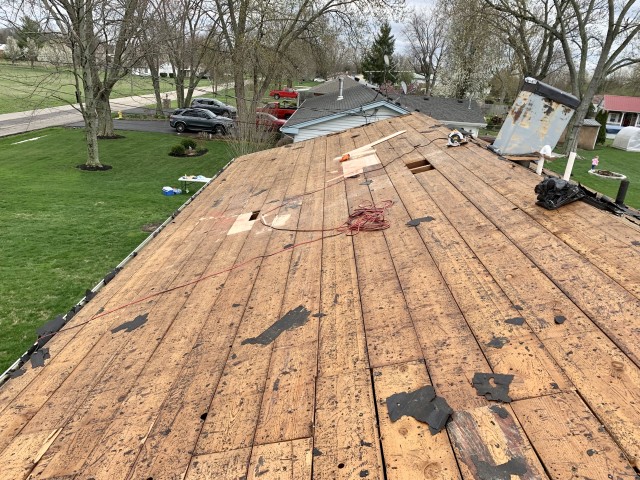
That freeze-thaw cycle is especially nasty. Water seeps under shingles during the day, freezes at night, expands, and slowly pries materials apart. I’ve seen roofs that looked “fine” from the street but were rotting underneath.
So when a roofer says, “A roof is a roof,” that’s your first red flag.
Local Detail Most Homeowners Miss
In North Jersey towns like Morristown or Ridgewood, older homes often have multiple roofing layers from decades past. In South Jersey, lighter construction and pine debris clogging gutters create different risks. Near the Shore? Salt corrosion is a real thing.
A trusted roofing company in New Jersey knows these differences without you having to explain them.
Start With Licensing, But Don’t Stop There
Yes, licensing matters. In New Jersey, roofers must be registered as a Home Improvement Contractor (HIC) with the state. But here’s the uncomfortable truth: a license alone doesn’t mean quality.
I once met a contractor in Essex County who proudly showed his registration number… and then subcontracted the entire job to an uninsured crew. Legal? Maybe. Smart? Absolutely not.
What to Actually Check
- Valid NJ HIC registration (verify it)
- General liability insurance (ask for proof)
- Workers’ compensation coverage
- A physical office address in New Jersey
If they hesitate to show paperwork, move on. Good contractors expect these questions.
Reputation Isn’t Just Reviews (But Reviews Matter)
Online reviews are helpful, but they’re not the whole story. Five-star Google ratings can be bought. What you want is consistency across platforms and time.
I usually cross-check a company on Google, Facebook, and industry directories. One resource I’ve found useful is
LocalRoofersList.com, which focuses specifically on roofing companies rather than general contractors.
Read Between the Lines
Don’t just look at the star rating. Read the complaints. Are they about communication delays during busy storm seasons? That’s normal. Are they about abandoned jobs or surprise pricing? That’s not.
And here’s a trick most people skip: look at how the company responds to negative reviews. Defensive or silent responses usually tell you more than glowing testimonials.
Ask About Materials Like You Mean It
A trusted roofing company in New Jersey should talk comfortably about materials. Not just brand names, but why they work here.
For example, architectural asphalt shingles with proper ice-and-water shield are often a smart choice in NJ. Metal roofing is gaining popularity, especially in rural and Shore areas, because it sheds snow and resists wind uplift.
If a contractor can’t explain why they recommend a material for your specific town or roof pitch, that’s a problem.
Lesson Learned the Hard Way
Years ago, I accepted “builder-grade” shingles on a rental property to save money. They failed early. According to industry data referenced by the National Roofing Contractors Association, material quality and installation together determine roof lifespan—not one or the other.
Cheap materials plus rushed labor? That’s a losing equation.
Estimates Should Feel Boring (In a Good Way)
A good roofing estimate is detailed, almost painfully so. Line items, material specs, labor scope, cleanup plans. When everything is written down, there’s less room for “misunderstandings.”
If an estimate fits on half a page, be cautious.
What a Solid Estimate Includes
- Exact shingle or roofing system type
- Underlayment and flashing details
- Ventilation upgrades (often overlooked)
- Disposal and cleanup responsibilities
- Timeline with weather allowances
And yes, NJ weather delays happen. Honest contractors tell you that upfront.
Warranty Talk: This Is Where Trust Shows
Manufacturer warranties are one thing. Workmanship warranties are another. The second one matters more.
I’ve seen roofs with “50-year shingles” fail in under ten years because of poor installation. A trusted roofing company stands behind their labor, not just the product box.
Ask who honors the warranty if the company changes ownership. That answer separates professionals from short-term operators.
Trust Your Instincts (Seriously)
This might sound unscientific, but it works. If something feels off—pressure tactics, vague answers, rushed inspections—listen to that feeling.
Roofing scams spike in New Jersey after major storms. Contractors knock on doors, offer “today-only” deals, and disappear by winter. The New Jersey Division of Consumer Affairs has warned about this pattern repeatedly.
A real roofing company doesn’t need to scare you into signing.
Final Thoughts From Someone Who Learned the Hard Way
Choosing a trusted roofing company in New Jersey isn’t about finding perfection. It’s about finding honesty, local experience, and accountability.
Take your time. Ask uncomfortable questions. Compare details, not just prices.
And remember—repairing a bad roofing job almost always costs more than doing it right the first time.
Your roof protects your family, your investment, and everything you’ve worked for. Treat that decision with the weight it deserves.