Table of Contents
ToggleNew Jersey Roof Inspection Checklist: What Professionals Really Look For
Most homeowners in New Jersey think a roof inspection means “checking for missing shingles and the New Jersey Roof Inspection Checklist. And sure, that’s part of it. But if that’s all you’re looking at, you’re missing the real story.
I’ve reviewed dozens of inspection reports across North and Central Jersey, and here’s the honest truth: professional roof inspections are less about what’s obvious and more about what’s quietly failing. The stuff that doesn’t show up until the first nor’easter or that late-February freeze-thaw cycle. Does that sound familiar?
Think of your roof like the skin of a house—it protects everything beneath it. One tiny puncture doesn’t seem like a big deal. Until it is.
Why Roof Inspections Matter More in New Jersey
New Jersey roofs live a harder life than most. We’re talking:
- Heavy snow loads in winter
- Ice dams along the northern counties
- Hurricane remnants and coastal storms
- Wild temperature swings from February to April
According to data referenced by the Wikipedia roofing overview, roofing systems are designed to shed water—not withstand standing moisture. That’s a big deal here, where ice dams can trap water for days.
And yet, many NJ homeowners skip inspections until a leak stains the ceiling. I’ve seen it happen after Superstorm Sandy, after Ida, and even after mild winters that followed unusually warm falls.
How Professionals Actually Approach a Roof Inspection
Here’s where things get interesting. A real roof inspection isn’t linear. It’s not “start at shingle A and end at shingle Z.” It’s more like detective work.
One experienced inspector I spoke with compared it to reading a crime scene backwards. You don’t start on the roof—you start where the damage shows up.
Interior First: The Clues Most Homeowners Ignore
Yes, professionals often begin inside. And that surprises people.
- Ceiling discoloration or shadowing
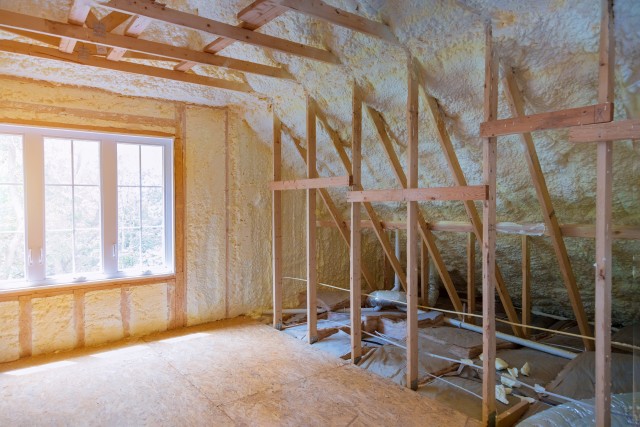
- Musty attic smells
- Nail pops are visible through the drywall
- Insulation compression or dark staining
But here’s the nuance: in New Jersey homes, especially split-levels and colonials built between the 1970s–1990s, inspectors pay extra attention to attic ventilation. Improper airflow is one of the biggest silent roof killers in this state.
And yes, I’ve learned this the hard way. A “perfect-looking” roof once failed simply because soffit vents were painted shut years earlier.
Exterior Checklist: What Professionals Look For on the Roof
This is the part everyone expects. But again, it’s deeper than most think.
Shingles: It’s About Patterns, Not Just Damage
Professionals aren’t just counting missing shingles. They’re watching for patterns:
- Granule loss concentrated near gutters
- Curling on south-facing slopes
- Diagonal cracking (a sign of thermal stress)
In New Jersey, asphalt shingles often fail unevenly because of mixed sun exposure and tree cover. One side bakes. The other stays damp. That imbalance tells a story.
Flashing: The Most Common Failure Point
If there’s one lesson that keeps coming up in NJ inspections, it’s this: flashing fails before shingles do.
Inspectors examine:
- Step flashing along chimneys
- Counterflashing on masonry
- Pipe boot seals are cracking from UV exposure
Older brick chimneys—especially in towns like Morristown or Montclair—are notorious for flashing issues because mortar joints degrade faster in freeze-thaw cycles.
And yet homeowners almost never notice until water starts tracking down interior walls.
Gutters, Drainage, and NJ-Specific Red Flags
But wait—roof inspections don’t stop at the roof edge.
Gutters Tell the Truth
Professionals check gutters for more than clogs:
- Asphalt granule buildup
- Rust at seams
- Improper pitch is causing standing water
In coastal New Jersey, salt air accelerates metal corrosion. Inland? Tree debris causes overflow that backs water under shingles.
That’s why many inspectors cross-reference gutter condition with roof age. It’s not random—it’s correlation.
Decking and Structural Integrity
This part makes homeowners nervous. And understandably so.
Soft Spots and Deck Sagging
Professionals gently test decking for sponginess. They look for:
- Subtle dips between rafters
- Fastener back-out
- Delamination of plywood layers
In New Jersey, older homes with plank decking (pre-1960s builds) often show issues where modern shingles were installed without reinforcement.
Is it catastrophic? Not always. But it’s information you want before selling—or before the next heavy snow.
Mini Case Study: A Roof That “Looked Fine”
A homeowner in Union County scheduled an inspection before listing their house. Visually, the roof looked solid. No missing shingles. No leaks.
The inspection found:
- Improper valley flashing was installed during a past repair
- Trapped moisture beneath the underlayment
- Early-stage decking rot near a dormer
Total repair cost? About 8% of what a full replacement would’ve been—if caught later.
That’s the difference inspections make.
Professional Tools You Rarely Hear About
Not all inspectors use the same tools, but seasoned NJ professionals often rely on:
- Infrared moisture scanners
- Drone imaging for steep or unsafe slopes
- Digital slope measurements for drainage analysis
And yes, drone inspections are becoming more common after recent insurance restrictions on roof access.
If you’re looking for vetted professionals who understand these nuances, resources like Local Roofers List can help narrow options without relying solely on ads.
So… How Often Should NJ Roofs Be Inspected?
Here’s my opinion—and it’s shaped by patterns, not theory.
- Once every 12–18 months
- After major storms
- Before buying or selling a home
But if your roof is over 15 years old? Annual inspections aren’t overkill. They’re preventative maintenance.
Final Thoughts (And a Slight Reality Check)
And here’s the part people don’t like hearing: most roof failures aren’t sudden. They’re ignored.
Inspections aren’t about fear. They’re about visibility. Knowing what’s happening above your head—literally.
If you read this and thought, “I should probably get my roof checked,” trust that instinct. It’s usually right.
Frequently Asked Questions