Are you facing a tough decision about your Repairing or Replacing Roof? It’s crucial to weigh the factors when deciding whether to repair or replace it. You want to make a cost-effective choice that will provide long-term durability and energy efficiency. Consider the age and condition of your roof, the extent of the damage, and the current roofing material. Don’t forget to factor in the weather conditions and climate in your area. This article will provide you with the knowledge and information you need to make a powerful decision.
Table of Contents
ToggleRepairing or Replacing Roof and Cost-effectiveness
If you’re looking to save money in the long run, it may be more cost-effective to replace your roof rather than continually repair it. When considering the economic feasibility of your roofing options, it’s important to weigh the long-term benefits of a roof replacement against the short-term costs of repairs.
Roof repairs can provide a temporary fix for issues such as leaks or damaged shingles. However, these repairs are often just a band-aid solution that may need to be repeated multiple times over the lifespan of your roof. This can add up in terms of both time and money, as the costs of labor and materials can quickly accumulate.
On the other hand, investing in a roof replacement offers several advantages. First, it provides an opportunity to address underlying issues and ensure the structural integrity of your roof. By installing a new roof, you can also take advantage of advancements in roofing technology and materials, such as improved insulation and increased energy efficiency.
Furthermore, a new roof can enhance the curb appeal of your home and potentially increase its value. This can be particularly beneficial if you plan on selling your property in the future. By making an upfront investment in a roof replacement, you can enjoy the long-term benefits and savings it provides.
Roof Age and Condition
The age and condition of your roof are important factors to consider when deciding whether to repair or replace it. As a homeowner, you want to make the most cost-effective decision while ensuring the safety and longevity of your roof. If your roof is relatively new and only has minor issues, such as a few missing shingles or small leaks, repairing it may be the more economical choice. However, if your roof is older and showing signs of significant wear and tear, such as extensive leaks, sagging, or multiple missing shingles, it may be time to consider a roof replacement.
Roof replacement costs can vary depending on factors such as the size of your roof, the type of materials used, and the complexity of the installation. On average, roof replacement costs can range from $5,000 to $10,000 or more. While this may initially seem like a significant investment, it is important to consider the long-term benefits. A new roof can provide better insulation, improved energy efficiency, and enhanced protection against the elements, ultimately saving you money on heating and cooling expenses and potential future repairs.
Extent of Damage
Assessing the extent of damage is crucial when determining the best course of action for your roof. Different types of roofing materials have varying degrees of durability and resistance to damage. For example, asphalt shingles are prone to cracking and curling over time, while metal roofs are more resistant to impact and can withstand harsh weather conditions.
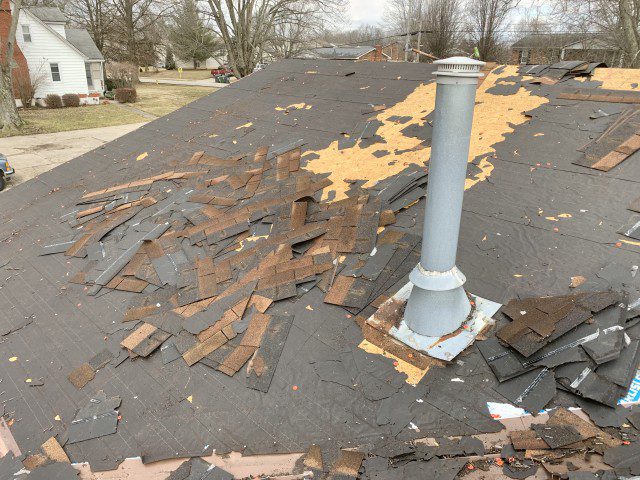
To assess the extent of damage, start by visually inspecting your roof for any signs of wear and tear. Look for missing or damaged shingles, leaks, or sagging areas. It’s also important to check the attic for any signs of water damage or mold growth, as these can indicate a compromised roof.
Once you have identified the areas of damage, you can consider your repair options. In some cases, minor repairs such as replacing a few damaged shingles or fixing a small leak may be sufficient to restore the functionality and integrity of your roof. However, if the damage is extensive or if your roof is nearing the end of its lifespan, it may be more cost-effective in the long run to opt for a full roof replacement.
Ultimately, the decision between repairing or replacing your roof will depend on the extent of damage and the overall condition of your roof. Consulting with a professional roofing contractor can help you make an informed decision and ensure that your roof remains sturdy and reliable for years to come.
Energy Efficiency
When considering the energy efficiency of your home, there are several key points to examine.
Cost versus savings: Firstly, it is important to weigh the initial cost of making energy-efficient upgrades against the potential savings on your utility bills.
Environmental impact: Additionally, by reducing your energy consumption, you can minimize your environmental impact and contribute to a more sustainable future.
Long-term energy savings: Lastly, investing in energy efficiency can lead to significant long-term savings. You will be able to enjoy reduced energy costs for years to come.
Cost Vs. Savings
Deciding between repairing or replacing your roof boils down to a simple question: is the cost of repairs worth the potential savings in the long run? It’s important to consider the financial implications of each option before making a decision.
Here are some factors to keep in mind:
– Repair Options:
– How extensive is the damage? Minor repairs may be a cost-effective solution.
– Are there underlying issues? If there are other problems with your roof, a repair might not solve the root cause.
– Financial Implications:
– What is the cost of repairs? Obtain quotes from reputable contractors to get an accurate estimate.
– How long will the repairs last? Consider the lifespan of the repairs compared to the potential lifespan of a new roof.
– Will repairs affect your home’s value? A new roof can increase your property’s worth.
Environmental Impact
The environmental impact of repairing or replacing your roof should be taken into account when making a decision. It’s important to consider the carbon footprint associated with both options and explore sustainable alternatives.
When repairing your roof, focus on using eco-friendly materials and methods that minimize waste. Look for roofing companies that offer sustainable options, such as recycled materials or energy-efficient solutions. By choosing sustainable materials, you can reduce the energy consumption of your home and decrease your carbon footprint.
On the other hand, if your roof is old and beyond repair, replacing it with a sustainable roofing system can greatly benefit the environment. Opt for materials like metal, clay, or green roofs that are long-lasting and energy-efficient.
Long-Term Energy Savings
To maximize long-term energy savings, you should explore sustainable roofing options that are energy-efficient and made from eco-friendly materials. By choosing energy-efficient roofing, you can reduce your carbon footprint and lower your energy bills.
Here are some key benefits of energy-efficient roofing options:
– Increased insulation: Energy-efficient roofs provide better insulation, keeping your home cooler in the summer and warmer in the winter. This reduces the need for excessive heating and cooling, saving you money on energy costs.
– Lower carbon emissions: Energy-efficient roofs reduce the amount of energy needed to heat and cool your home, resulting in lower carbon emissions. This is not only good for the environment but also aligns with your desire for power and sustainability.
– Extended roof lifespan: Energy-efficient roofs are often made from durable materials that can withstand harsh weather conditions. This means your roof will last longer, reducing the need for frequent repairs or replacements.
– Improved indoor comfort: Energy-efficient roofs help maintain a consistent temperature throughout your home, ensuring a comfortable living environment all year round.
– Potential for tax incentives and rebates: Many governments and utility companies offer incentives and rebates for installing energy-efficient roofing options. This can further enhance your long-term cost savings.
Long-Term Durability
When considering the long-term durability of materials for your roof, there are several key points to take into account.
First, you should consider the lifespan of the materials you are considering. Some materials, such as asphalt shingles, have a shorter lifespan of around 20 years, while others, like metal or tile, can last 50 years or more.
Additionally, it is important to consider the maintenance requirements of each material. Some materials may require regular inspections and repairs, while others may be virtually maintenance-free.
Lastly, cost-effectiveness over time is a crucial factor to consider. While some materials may have a higher upfront cost, they may save you money in the long run by lasting longer and requiring fewer repairs.
Lifespan of Materials
Considering the lifespan of materials is crucial when deciding whether to repair or replace your roof. The longevity of different roofing materials can vary significantly, and understanding their performance is essential for making an informed decision. Here are some key points to consider:
– Asphalt shingles: These are the most common roofing material, with a lifespan of around 20-30 years. They offer good performance for their price, but may require more frequent repairs.
– Metal roofing: With a lifespan of 40-70 years, metal roofs are known for their durability and resistance to harsh weather conditions. They require minimal maintenance and can be a long-term investment.
– Slate or tile roofing: These materials have an impressive lifespan of 50-100 years. They are highly durable and provide a classic and elegant aesthetic, but can be more expensive to install and repair.
Understanding lifespan comparison and material performance will help you make a decision that ensures the long-term protection and value of your home.
Maintenance Requirements
Now that you understand the lifespan of different roofing materials, it’s important to consider the maintenance requirements associated with each option. Proper maintenance is crucial in ensuring the longevity and durability of your roof.
Different materials have varying maintenance needs. For instance, asphalt shingles require regular inspections to check for any cracks or missing pieces. Metal roofs, on the other hand, may require periodic cleaning to prevent the buildup of debris or corrosion.
Regular maintenance helps identify and address issues before they escalate into costly repairs or replacements. By adhering to the recommended maintenance requirements, you can significantly extend the lifespan of your roofing material.
Cost-Effectiveness Over Time
Over time, it’s important to factor in the cost-effectiveness of different roofing materials. When deciding on a roofing material, you need to consider both the initial cost and the life expectancy of the material.
While some materials may have a higher upfront cost, they can prove to be more cost-effective in the long run due to their durability and longer lifespan. For example, metal roofs have a higher initial cost compared to asphalt shingles, but they can last up to 50 years or more, while asphalt shingles typically last around 20 years. This means that although the initial cost of a metal roof may be higher, you will likely save money in the long term as you won’t need to replace it as frequently.
Ultimately, it’s crucial to weigh the initial cost against the expected lifespan when considering the cost-effectiveness of different roofing materials.
Current Roofing Material
When it comes to your current roofing material, you’ll want to assess its condition and durability. The life expectancy of your roof depends on several factors, including material quality and proper maintenance. A well-maintained roof can last anywhere from 20 to 50 years, while a poorly maintained one may need replacement sooner.
To determine the life expectancy of your current roofing material, consider its age and any signs of wear and tear. Inspect for cracked or missing shingles, leaks, or sagging areas. If your roof is relatively new and in good condition, it may have many years of life left. However, if it is old or shows significant damage, it may be time to consider a replacement.
The quality of the roofing material is another crucial aspect to consider. Different materials have varying degrees of durability and longevity. For example, asphalt shingles have an average life expectancy of 20 to 30 years, while metal roofs can last 40 to 70 years. Factors such as climate, installation quality, and regular maintenance can also impact the lifespan of your roof.
Weather Conditions and Climate
To determine the impact of weather conditions and climate on your roof, you should regularly inspect for signs of damage such as cracked shingles or leaks. Weather patterns and climate play a significant role in the longevity and maintenance costs of your roof.
Extreme weather conditions, such as heavy rain, strong winds, or snowstorms, can cause significant damage to your roof over time. Harsh sunlight and high temperatures can also degrade roofing materials, leading to cracks and leaks.
Weather patterns in your area should be carefully considered when choosing the type of roofing material for your home. For instance, if you live in an area prone to heavy rainfall, you may want to opt for a roofing material that is highly resistant to water damage, such as metal or tile. On the other hand, if you live in a region with hot and sunny weather, a roofing material with excellent heat resistance, like asphalt shingles or clay tiles, may be more suitable.
Regular maintenance is crucial in ensuring that your roof remains in good condition despite the weather. By inspecting your roof for any signs of damage, you can address the issues promptly and prevent further deterioration. This proactive approach can save you significant maintenance costs in the long run, as small repairs are often more affordable than extensive roof replacements.
Return on Investment
Understanding the return on investment for different roofing materials is crucial in making informed decisions about your home’s long-term value. When it comes to your roof, it’s not just about protecting your home from the elements; it’s also about the financial implications and potential savings that different roofing materials can offer.
One of the key factors to consider when evaluating the return on investment is the lifespan of the roofing material. While some materials may have a higher upfront cost, they often have a longer lifespan, which can result in significant savings over time. For example, a metal roof may cost more initially, but it can last up to 50 years, compared to an asphalt shingle roof which typically lasts around 20-30 years. By investing in a longer-lasting material, you can potentially save on future repairs and replacements.
Another important aspect to consider is energy efficiency. Certain roofing materials, like reflective metal or cool roofs, can help reduce energy consumption by reflecting more sunlight and keeping your home cooler. This can lead to lower cooling costs in the summer months and further increase your potential savings.
Lastly, it’s important to consider the overall aesthetic appeal and market value of your home. Investing in a high-quality, visually appealing roofing material can not only enhance the curb appeal of your home but also increase its resale value.