
In this article, we will explore Gutters Preventing Basement Flooding, and the essential role that gutters play in protecting your basement. By properly installing and maintaining your gutters, you can effectively direct water away from your foundation and avoid costly repairs.
Don’t let clogged gutters be the cause of your basement woes. Let’s dive into the importance of gutters as a preventive measure for basement flooding and learn how to keep them clean and functional.
Gutters Preventing Basement Flooding and The Importance of Proper Gutter Installation
Proper gutter installation is crucial for preventing basement flooding. Regular gutter maintenance ensures that water is effectively channeled away from your foundation, reducing the risk of water seeping into your basement. By keeping your gutters clean and free from debris, you allow water to flow freely, preventing any overflow that could lead to basement flooding. Additionally, downspout extensions play a significant role in directing water away from your home. These extensions should be properly installed to ensure that water is discharged at least six feet away from your foundation. By investing in proper gutter installation and maintenance, you can safeguard your basement from the devastating effects of flooding.
How Gutters Direct Water Away From the Foundation
Make sure you’re maintaining your gutters so they can effectively guide rainwater away from your foundation. Gutters play a crucial role in preventing water damage to your home by redirecting rainwater away from the foundation. When it rains, gutters collect water from the roof and channel it through downspouts, ensuring that it doesn’t pool near the foundation. This is important because if rainwater accumulates near the foundation, it can seep into the basement, causing flooding and structural damage. By redirecting rainwater, gutters protect your foundation from erosion, cracks, and costly repairs. To ensure that your gutters are working properly, inspect them regularly for any debris or clogs that may obstruct the flow of water. Additionally, make sure that the downspouts are positioned away from the foundation to prevent water from pooling near your home.
Proper maintenance and regular cleaning of your gutters are essential in preventing water damage and maintaining the integrity of your foundation.
The Impact of Clogged Gutters on Basement Flooding
When gutters become clogged, rainwater can accumulate near the foundation, leading to potential water damage in the basement. Clogged gutters can disrupt the flow of rainwater, preventing it from being properly directed away from the foundation. Instead, the water accumulates around the base of the house, seeping into the soil and potentially infiltrating the basement.
Neglected gutter maintenance can have detrimental effects on basement flooding. As rainwater accumulates near the foundation, it increases the hydrostatic pressure against the basement walls, making them more susceptible to leaks and cracks. Additionally, the excess water can saturate the soil around the foundation, causing it to expand and apply additional pressure on the basement walls. Over time, this can lead to significant water damage and the potential for mold growth in the basement.
Regular gutter maintenance is crucial for preventing these issues and preserving the integrity of your basement.
The Impact of Clogged Gutters on Your Home
Clogged gutters might seem like a minor inconvenience, but the repercussions can be far-reaching and costly if left unaddressed. Understanding the impact of clogged gutters on your home is crucial for maintaining its structural integrity and preventing potential damage. Let’s delve into the various ways clogged gutters can affect your property.
Water Damage
One of the most significant consequences of clogged gutters is water damage. When gutters are blocked, water cannot flow freely away from your home. Instead, it can overflow, and seep into the walls, foundation, or roof, causing structural damage, mold growth, and even flooding in your basement. This water damage can lead to expensive repairs and compromise the safety and stability of your home.
Roof Damage
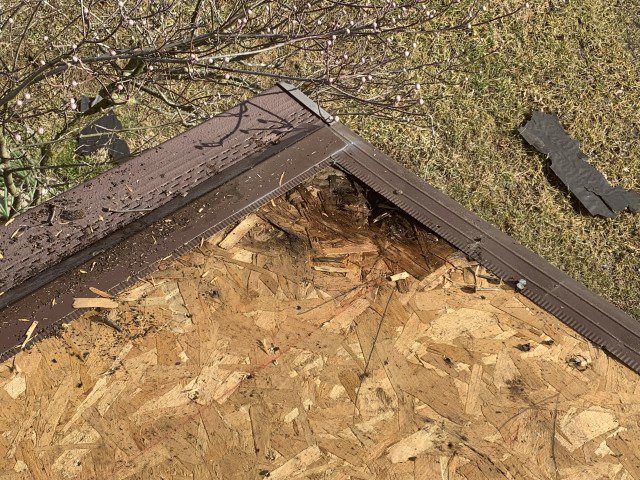
Clogged gutters can also contribute to roof damage. When water accumulates on the roof due to blocked gutters, it can seep under shingles, causing leaks and rotting of the roof structure. Over time, this can lead to costly roof repairs or even a full roof replacement.
Pest Infestation
Standing water in clogged gutters creates an ideal breeding ground for pests such as mosquitoes, termites, ants, and other insects. These pests can not only be a nuisance but also pose health risks to you and your family. Additionally, birds and rodents may be attracted to the stagnant water, further increasing the risk of infestation around your home.
Foundation Issues
Water overflowing from clogged gutters can saturate the soil around your home’s foundation. This excess moisture can lead to foundation cracks, shifting, or settling, compromising the structural integrity of your home. Foundation repairs are not only costly but also disruptive to your daily life.
Landscaping Damage
Clogged gutters can cause water to overflow onto your landscaping, leading to erosion, soil compaction, and damage to plants and flowers. The excess water can wash away mulch and topsoil, leaving your yard looking unkempt and potentially affecting the curb appeal of your home.
Preventive Measures
Regular gutter maintenance is key to preventing these issues. Make sure to clean your gutters at least twice a year or more frequently if you have overhanging trees or live in an area prone to heavy rainfall. Consider installing gutter guards or screens to help keep debris out while allowing water to flow freely.
In conclusion, the impact of clogged gutters on your home can be extensive and costly. By understanding these consequences and taking proactive steps to maintain clean gutters, you can protect your home from water damage, pest infestations, roof issues, foundation problems, and landscaping damage. Prioritize gutter maintenance as part of your home care routine to safeguard your property’s value and longevity.
Gutters as a Preventive Measure for Basement Water Damage
To prevent water damage in your basement, it’s important to regularly maintain and clean your gutters. Proper gutter maintenance plays a crucial role in preventing basement flooding and water damage.
Clogged or damaged gutters can lead to water overflow, causing water to seep into your basement. Regular maintenance involves removing debris such as leaves, twigs, and dirt from the gutters to ensure proper water flow. In addition, gutter repair is essential to fix any leaks, cracks, or loose sections that may compromise their functionality.
It’s recommended to inspect your gutters at least twice a year, especially after heavy storms or during the fall season when leaves are more likely to accumulate. By taking these preventive measures, you can protect your basement from potential water damage and maintain the integrity of your home.
Maintaining and Cleaning Gutters to Ensure Basement Protection
Regularly maintaining and cleaning your gutters is crucial for ensuring the protection of your basement. Gutter maintenance and repair play a vital role in preventing basement flooding and water damage.
When gutters are clogged with debris such as leaves, twigs, and dirt, they are unable to effectively channel rainwater away from your home. This can lead to overflowing gutters, causing water to seep into your basement, resulting in costly repairs and potential mold growth.
To avoid these issues, it is recommended to clean your gutters at least twice a year, in spring and fall. Additionally, inspect the gutters for any signs of damage, such as leaks or loose connections, and promptly address them to maintain their proper functioning.
Taking these preventive measures will help keep your basement dry and protect your home from water damage.
To maintain and clean gutters effectively, it is essential to follow a few key steps:
Importance of Cleaning Gutters: Regular gutter cleaning is crucial to prevent issues like sagging gutters, mold growth, wet basements, leaky roofs, and water damage to your home’s interior and exterior1. Neglecting gutter maintenance can lead to costly repairs down the line, making it necessary to clean gutters at least twice a year, especially in the spring and fall.
Determining Repair or Replacement Needs: Regular maintenance can extend the life of your gutters, but at some point, they may need repair or replacement to protect your home from water damage1. Signs like cracks, splits, or improper slopes indicate the need for repair or replacement.
Cleaning Process: The cleaning process involves clearing debris, flushing the gutters, checking downspouts, ensuring proper drainage and slope, and sealing any leaks with gutter sealant. It’s important to use a ladder safely, wear work gloves, and consider using a leaf blower with the right attachment for efficient cleaning.
Preventive Measures: Installing gutter covers, helmets, or guards can help maintain clean gutters and reduce the frequency of cleaning2. Upgrading gutters with guards and checking their position can also aid in preventing overflowing and clogging.
By following these guidelines, homeowners can effectively maintain and clean their gutters, ensuring the protection of their homes from potential water damage and related issues.
Conclusion
To conclude, gutters play a crucial role in preventing basement flooding. Proper installation and maintenance of gutters ensure that water is directed away from the foundation, reducing the risk of water damage.
Clogged gutters can have a detrimental impact on basement flooding, as they can cause water to overflow and seep into the foundation. Regular cleaning and maintenance of gutters is essential to ensure their effectiveness in protecting basements from water damage.
By taking these preventive measures, you can safeguard your basement from potential flooding and its costly consequences.