Are you considering a Roof Replacement Vs. Re-Roofing for your home? It’s important to understand the difference between the two and make an informed decision.
In this article, we will delve into the cost considerations, time and labor requirements, durability and longevity, impact on home value, and environmental factors associated with each option.
By the end, you’ll have the knowledge needed to choose the right option and hire a professional who will provide the power you desire.
Table of Contents
ToggleRoof Replacement Vs. Re-Roofing Understanding the Difference
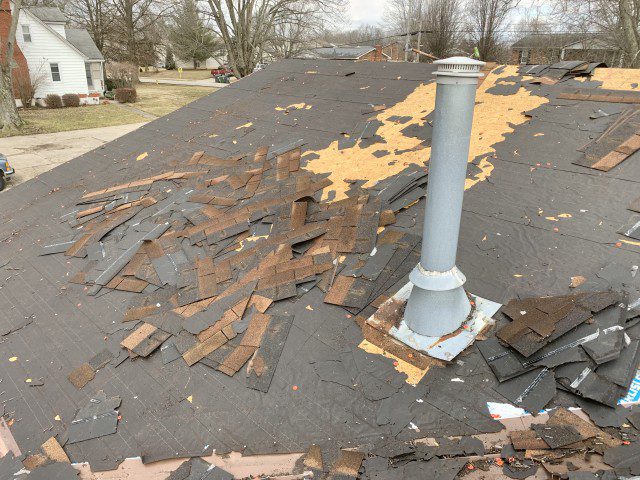
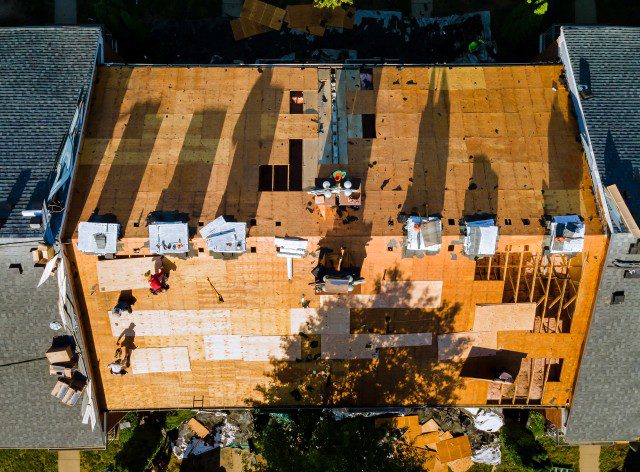
Understanding the difference between roof replacement and re-roofing can help you make informed decisions about your roofing needs. When it comes to cost implications, roof replacement tends to be more expensive than re-roofing. Roof replacement involves completely removing the existing roof and installing a new one. This process requires more labor, materials, and time, resulting in higher costs.
On the other hand, re-roofing is a less expensive option where a new layer of shingles is added on top of the existing roof. This method is quicker and requires less labor and materials, making it a more cost-effective choice.
Structural considerations are also important when deciding between roof replacement and re-roofing. Roof replacement allows for a thorough inspection of the underlying structure. This is crucial if there are any hidden issues such as rot or damage that can compromise the integrity of your roof. Re-roofing, on the other hand, does not involve removing the existing roof, so any underlying problems may remain undetected. If your roof has structural issues, it might be safer and more practical to opt for a full roof replacement.
Cost Considerations
When considering the cost of a roofing project, there are several key points to keep in mind. First, you should compare the initial investment between different types of roofing materials. This will help you determine the upfront cost and potential savings in the long run. Additionally, it is crucial to conduct a long-term cost analysis, taking into account factors such as maintenance and repair expenses over the lifespan of the roof. Lastly, hidden expenses like permits, disposal fees, and labor costs should not be overlooked, as they can significantly impact the overall cost of the project.
Initial Investment Comparison
The initial investment for roof replacement is typically higher than for re-roofing. When considering the cost-benefit analysis and return on investment, it is important to evaluate the long-term advantages of each option.
Roof replacement involves a complete overhaul of the existing roof system, including the removal and disposal of the old materials, inspection of the underlying structure, and installation of new materials. This comprehensive approach ensures a durable and reliable roof that can withstand the test of time. On the other hand, re-roofing involves adding a new layer of roofing material over the existing one. While this option may seem more cost-effective initially, it may not provide the same level of long-term protection and may require more frequent repairs and maintenance. Therefore, despite the higher initial investment, roof replacement offers a higher return on investment in terms of durability, longevity, and reduced maintenance costs.
Long-Term Cost Analysis
Considering the long-term cost analysis, it’s essential to evaluate the overall benefits of each option when it comes to roof replacement and re-roofing. While the initial investment may vary, it’s crucial to take into account the maintenance savings and energy efficiency in the long run. Here are three key factors to consider:
1. Maintenance savings: Roof replacement may require less maintenance over time compared to re-roofing. New roofs are less likely to develop leaks or require frequent repairs, resulting in reduced maintenance costs.
2. Energy efficiency: Newer roofing materials and technologies offer improved energy efficiency, which can lead to significant savings on heating and cooling costs. Replacing an old roof with energy-efficient options can result in lower utility bills over time.
3. Environmental impact: Energy-efficient roofs contribute to a greener environment by reducing carbon emissions. By choosing an eco-friendly roof, you not only save money but also contribute to a sustainable future.
Hidden Expenses to Consider
Hidden expenses can greatly impact the overall cost of a roofing project. When planning your budget, it is crucial to consider these hidden costs to avoid any financial surprises.
One significant hidden cost is the removal and disposal of the old roofing materials. This process can be labor-intensive and may require additional equipment, leading to higher expenses.
Another hidden expense is the cost of repairing any underlying structural damage that may be discovered during the roof replacement or re-roofing process. This includes fixing damaged rafters, sheathing, or trusses, which can significantly impact the overall project cost. Additionally, unforeseen issues such as rot, mold, or termite damage can also add to the hidden costs.
Time and Labor Requirements
When comparing roof replacement and re-roofing, one major factor to consider is the amount of time and labor required. Time efficiency and labor intensity play a crucial role in determining which option is more suitable for your needs.
Roof replacement is a comprehensive process that involves removing the existing roof entirely and installing a new one from scratch. This method requires significant time and labor as it involves stripping off all the old materials, inspecting the underlying structure for any damage, and then installing the new roof. The process can take several weeks to complete, depending on the size and complexity of the project. It also requires a skilled workforce to ensure the installation is done properly.
On the other hand, re-roofing offers a more time-efficient solution. This method involves installing a new layer of roofing material over the existing one. It eliminates the need for extensive labor, as the existing roof does not need to be completely removed. Re-roofing is a quicker process that can be completed in a matter of days, depending on the size of the roof.
However, it’s important to note that re-roofing is not suitable for every situation. It is typically recommended when the existing roof is in good condition and does not have any significant damage. If there are Durability and Longevity
When considering the durability and longevity of roofing materials, there are several key points to examine. Firstly, a material lifespan comparison is crucial in determining the overall value and longevity of a roofing system. Secondly, cost-effectiveness over time plays a significant role in weighing the benefits of different materials, factoring in initial expenses and potential future repairs or replacements.
Lastly, maintenance requirements and costs should be carefully considered, as they can vary greatly depending on the type of material used and the specific climate conditions it is exposed to.
Material Lifespan Comparison
To determine which option is best for you, consider the lifespan of the materials used in roof replacement versus re-roofing. When comparing the two, it is important to analyze the longevity of the materials to make an informed decision.
Here is a material comparison and lifespan analysis to help you understand the differences:
– Asphalt shingles: Generally last 20-30 years.
– Metal roofing: Can last 40-70 years.
– Clay or concrete tiles: With proper care, can last more than 50 years.
– Wood shakes: Have an average lifespan of 20-30 years.
– Slate roofing: Known for its durability, can last 100 years or more.
Cost-Effectiveness Over Time
Considering the lifespan of the materials, it’s important to analyze the cost-effectiveness over time.
When it comes to roof replacement or re-roofing, energy efficiency plays a vital role in determining the return on investment.
Opting for energy-efficient roofing materials can significantly lower your energy consumption and utility bills in the long run.
While the initial cost of these materials may be higher, the potential savings over the lifespan of your roof can make them a cost-effective choice.
Additionally, energy-efficient roofing can increase the value of your property and attract potential buyers in the future.
It’s essential to consider the long-term benefits and potential savings associated with energy efficiency when making a decision between roof replacement and re-roofing.
Maintenance Requirements and Costs
You should regularly assess the maintenance requirements and associated costs of different roofing materials. Proper maintenance is crucial for the longevity and performance of your roof. Here are some key factors to consider when comparing the maintenance requirements and costs of different roofing materials:
– Regular inspections: Depending on the material, you may need to schedule regular inspections to check for any damage or signs of wear and tear. This can help identify potential issues early on and prevent costly repairs.
– Cleaning and debris removal: Some roofing materials may require periodic cleaning to remove dirt, debris, or moss. This maintenance task helps maintain the appearance and functionality of the roof.
– Repairs and replacements: Depending on the material, you may need to budget for occasional repairs or even complete replacements. Understanding the lifespan and potential repair costs can help you make an informed decision.
– Coating and sealing: Certain roofing materials may require periodic coating or sealing to protect against moisture and UV damage. These additional maintenance tasks can add to the overall cost.
Impact on Home Value
If you’re looking to increase your home value, re-roofing might be a better option than a complete roof replacement. When it comes to home appraisals and the real estate market, the condition of your roof plays a significant role. A well-maintained roof not only adds to the aesthetic appeal of your property but also provides protection against the elements, ensuring the longevity of your home.
In the competitive real estate market, potential buyers are often willing to pay a premium for properties with recently re-roofed homes. This is because re-roofing improves the overall curb appeal and gives buyers confidence in the structural integrity of the property. It also eliminates the need for them to invest in a new roof shortly after purchasing, which can be a significant expense.
Furthermore, a re-roofed home typically receives a higher home appraisal value compared to one with an older or damaged roof. Appraisers take into account the condition and age of the roof when determining the worth of a property. By investing in re-roofing, you are not only protecting your home but also increasing its market value.
Environmental Factors
The environmental impact of re-roofing is an important consideration for homeowners. When it comes to addressing climate change and making sustainable choices, the materials used in roof replacement play a crucial role. Opting for sustainable materials can significantly reduce the carbon footprint associated with the re-roofing process.
One sustainable option to consider is using recycled or reclaimed materials for your new roof. These materials, such as recycled metal or reclaimed wood, not only reduce waste but also minimize the need for new extraction and production processes. Additionally, they can be just as durable and long-lasting as traditional roofing materials.
Another eco-friendly choice is to install solar panels on your roof. Solar energy is a renewable resource that helps combat climate change by reducing the reliance on fossil fuels. By harnessing the power of the sun, you can generate clean electricity for your home and potentially even sell excess energy back to the grid.
It’s also important to properly dispose of the old roof materials. Recycling or repurposing them can prevent unnecessary waste from ending up in landfills and contribute to a more sustainable approach.
Choosing the Right Option
One sustainable option to consider when choosing the right material is using recycled or reclaimed materials for your new roof. This option not only helps to reduce waste and conserve resources, but it can also provide several benefits in terms of cost and aesthetics.
When conducting a cost-benefit analysis, using recycled or reclaimed materials for your roof can be a smart choice. While the upfront cost may be slightly higher compared to traditional materials, the long-term savings can outweigh the initial investment. Recycled or reclaimed materials are often more durable and have a longer lifespan, reducing the need for frequent repairs or replacements. Additionally, these materials can often be sourced locally, reducing transportation costs.
In terms of aesthetics, using recycled or reclaimed materials can add a unique and rustic charm to your home. Each piece carries its own history and character, creating a visually appealing and one-of-a-kind look. Whether you choose reclaimed wood shingles or recycled metal panels, your roof will stand out and make a powerful statement.
Ultimately, choosing recycled or reclaimed materials for your new roof is a sustainable and environmentally friendly choice. With a cost-benefit analysis and consideration of aesthetic considerations, you can make an informed decision that not only benefits the planet but also adds value and beauty to your home.
Hiring a Professional
Now that you understand the importance of choosing the right option for your roof replacement or re-roofing project, it’s time to consider the hiring options available to you. While you may be tempted to take on the project yourself, it’s crucial to understand the risks associated with a DIY approach.
When it comes to hiring a professional, you gain access to their expertise and experience. A skilled roofing contractor will have the necessary knowledge to assess your roof’s condition, recommend the best course of action, and execute the project efficiently. They will also have access to high-quality materials and the right tools to ensure a durable and long-lasting roof.
By hiring a professional, you eliminate the risks that come with a DIY approach. Roofing is a complex task that requires specialized skills and safety precautions. Without the proper training and experience, you may end up making costly mistakes or compromising the structural integrity of your roof.
Additionally, a professional contractor will provide warranties and guarantees for their work, giving you peace of mind and protecting your investment. They will also handle any necessary permits or inspections required by local building codes. In conclusion, when it comes to roof replacement vs. re-roofing, it’s important to consider various factors. These include cost, time and labor requirements, durability and longevity, impact on home value, and environmental factors.
Both options have their own advantages and disadvantages. Therefore, it’s crucial to carefully evaluate your specific needs and consult with a professional. By doing so, you can make an informed decision and ensure that your roof is in optimal condition. This will provide protection and value to your home for years to come.