Table of Contents
ToggleBest Type of Roofing Underlayment
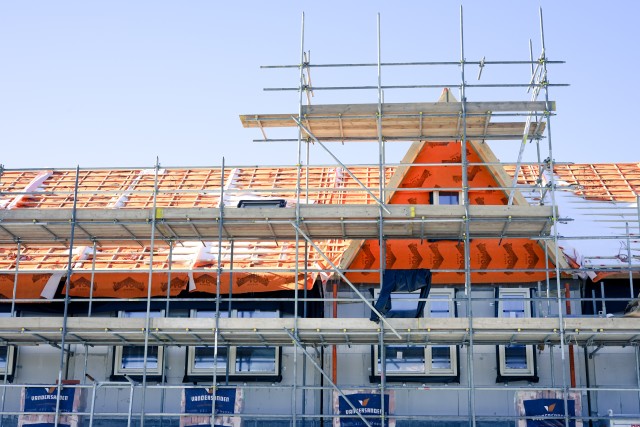
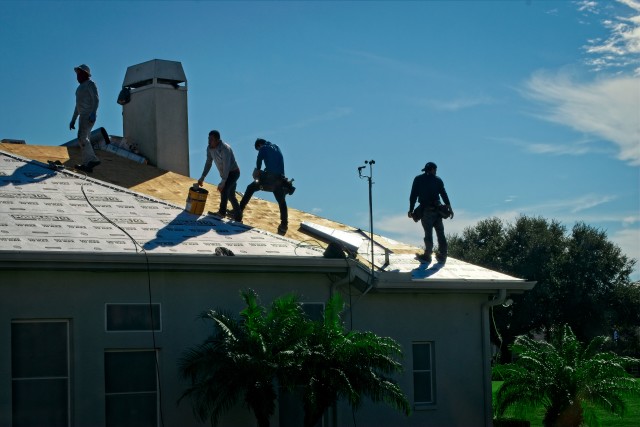
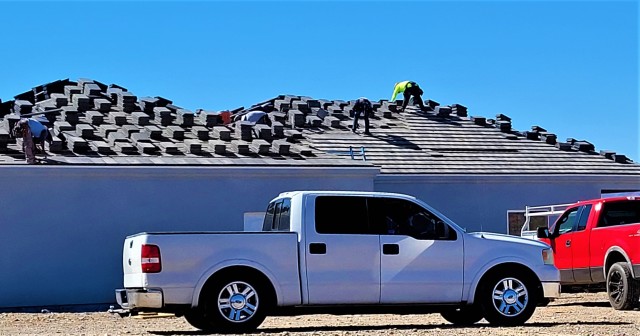
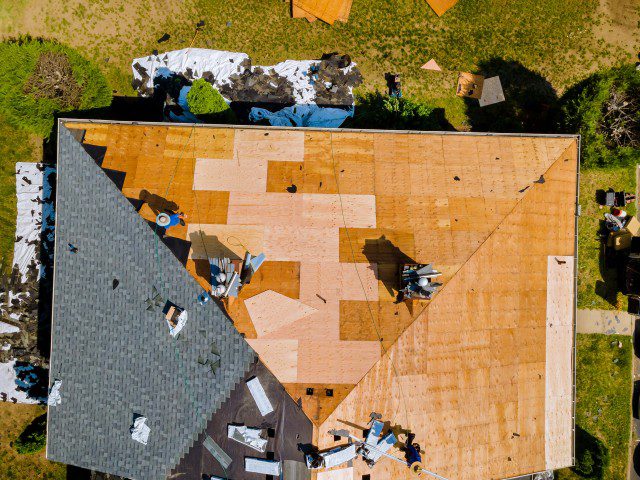
When it comes to protecting the roof of your home, one of the most important aspects is choosing the Best Type of Roofing Underlayment. Roofing underlayment is a layer of material that provides an additional barrier between your roof and the elements, helping to protect it from water damage, extreme temperatures, and other external forces. With so many types available on the market today, how do you know which type of roofing underlayment will be best suited for your home? In this blog post, we’ll discuss the various types of roofing underlayment and provide tips for choosing the one that will offer the best protection for your home.
The most common types of roofing underlayment are asphalt-saturated felt, rubberized asphalt, and non-bitumen synthetics. Asphalt-saturated felt is a type of organic material that is saturated with liquid asphalt to make it waterproof. It is typically used on sloped roofs and shingles as an additional layer of protection against water infiltration. Rubberized asphalt is made from a combination of synthetic rubber and bitumen (asphalt) and also provides additional waterproofing protection for sloped roofs. Non-bitumen synthetics are made from a variety of materials, we’ll discuss some key considerations when selecting a suitable type for your property.
When choosing the best type of roofing underlayment for your home, consider the climate in which you live. If you’re in a particularly wet or cold environment, rubberized asphalt may be the better choice as it is waterproof and provides additional insulation. Conversely, if you live in a warm, dry climate then asphalt-saturated felt might be sufficient due to its breathability and lighter weight. Additionally, when selecting an underlayment material, make sure to check with local codes and regulations as some types may not meet certain building requirements.
In conclusion, there are several different types of roofing underlayment available on the market today that can provide excellent protection against water infiltration and other external forces. Asphalt-saturated felt rubberized asphalt and non-bitumen synthetics are the three most common types. When selecting a suitable type for your home, consider the climate in which you live as well as local codes and regulations to ensure you choose the best material for your roofing needs. With careful consideration and proper installation, a quality roofing underlayment can help keep your home safe from water damage and other external forces.
If you have questions or need help determining which type of roofing underlayment is best suited for your home, contact a local professional contractor for assistance. They will be able to provide expert advice on what materials would work best for your situation.
Roof underlayment
When selecting a roofing underlayment for your home, it is important to consider the climate and conditions in which your home is located, as well as the type of roof you have. Each type of roofing underlayment comes with its own benefits and drawbacks, so do your research to determine which one best fits your needs.
For example, if you live in an area that experiences extreme humidity or temperatures, it may be beneficial to choose a rubberized asphalt underlayment. This type of material is resistant to temperature fluctuation and will help keep water out of the home during heavy rains or snowstorms. Additionally, it provides excellent protection against wind uplift due to its elasticity and flexibility. On the other hand, if you live in a climate that is generally mild, then an asphalt-saturated felt underlayment might be best. This type of material is lightweight and breathable, allowing it to provide adequate protection without adding extra weight or insulation to your home.
No matter which type of roofing underlayment you decide on for your home, make sure that it meets local codes and regulations before installation. Additionally, have a professional contractor inspect the material prior to installation to ensure that it is in good condition and will provide the desired level of protection. With careful consideration and proper installation, a quality roofing underlayment can help keep your home safe from water damage and other external forces.
Rubberized asphalt underlayment
Rubberized asphalt underlayment is a special type of roofing material that provides superior protection against water infiltration, temperature fluctuations, and wind uplift. Its elasticity and flexibility make it an excellent choice for areas that experience extreme weather conditions or high levels of humidity. Additionally, rubberized asphalt is resistant to punctures and tears, making it better suited than other types of roofing materials for areas that are prone to storms or other extreme weather events.
When compared to the asphalt-saturated felt underlayment, rubberized asphalt provides more insulation and offers greater protection from water penetration. However, its weight can be a disadvantage as it adds more strain to the roof structure than lighter materials such as felt. Additionally, rubberized asphalt can be more expensive than other types of roofing underlayment due to its increased durability and waterproofing abilities.
It is important to follow local codes and regulations when installing any type of roofing underlayment, especially when dealing with rubberized asphalt due to its unique properties. Proper installation techniques must be followed in order to ensure that the material provides adequate protection from water damage and other external forces. Additionally, always have a professional contractor inspect the material prior to installation in order to guarantee that it meets local building standards.
Overall, rubberized asphalt underlayment offers excellent protection against water infiltration and wind uplift while providing additional insulation for sloped roofs. However, due to its weight, it may not be suitable for all climates or homes with limited structural capacity. It is important to consider all factors before deciding on which type of roofing underlayment best fits your needs in order to protect your home from damage caused by water or extreme weather conditions.
Synthetic underlayment
Synthetic underlayment is a popular roofing material choice for homeowners due to its superior water-resistant properties and ability to withstand the elements. Compared to rubberized asphalt or felt underlayment, synthetic materials such as polypropylene or polyethylene provide greater protection against water infiltration and hold up better in extreme temperatures. Additionally, these materials are lightweight yet strong enough to resist punctures and tears, making them suitable for areas prone to storms or other harsh weather conditions.
Another advantage of synthetic underlayment is that it can be installed in multiple layers, providing additional insulation and protection from external forces. The material also offers excellent breathability, allowing moisture to escape without trapping heat which can cause damage or weakening of the roof structure over time. Furthermore, synthetic underlayment is generally fire resistant making it a safe choice for homes located in dry climates with high risk of wildfire.
When installing synthetic underlayment on a roof, always make sure that local codes and regulations are met in order to guarantee that the material is appropriate for your area and home type. Additionally, check with a professional contractor before installation to confirm that the material has been properly stored prior to installation and is not damaged in any way. With careful consideration and proper installation techniques, a quality synthetic underlayment can help keep your home safe from water damage and other external forces while providing superior insulation year-round.
Asphalt saturated felt
Asphalt-saturated felt is a type of roofing underlayment that is commonly used in residential and commercial buildings. This material consists of a layer of asphalt-saturated material such as fiberglass or polyester fabrics, which are bonded together by an adhesive. The fabric is then saturated with hot asphalt to form a waterproof membrane that provides protection against water penetration. Asphalt-saturated felt is also highly resistant to tears and punctures, making it an ideal choice for low-slope roofs and other areas prone to storms or extreme weather events.
The waterproofing properties of asphalt-saturated felt make it an effective barrier against leakage from wind-driven rain and snow as well as ice dam formation during the winter months. Additionally, this type of roofing underlayment helps improve energy efficiency by reflecting heat away from the home and providing additional insulation for attic spaces. Asphalt-saturated felt is also relatively lightweight, making it easier to install than heavier materials such as rubberized asphalt.
However, compared to other types of roofing underlayment, asphalt-saturated felt does not provide the same level of protection against water infiltration and wind uplift as other materials do. Additionally, because the material is porous, moisture can seep through if not properly sealed over time which can lead to mold growth or structural damage. It is important to inspect any existing asphalt-saturated felt on a regular basis in order to ensure that it has been properly maintained and sealed against water intrusion.