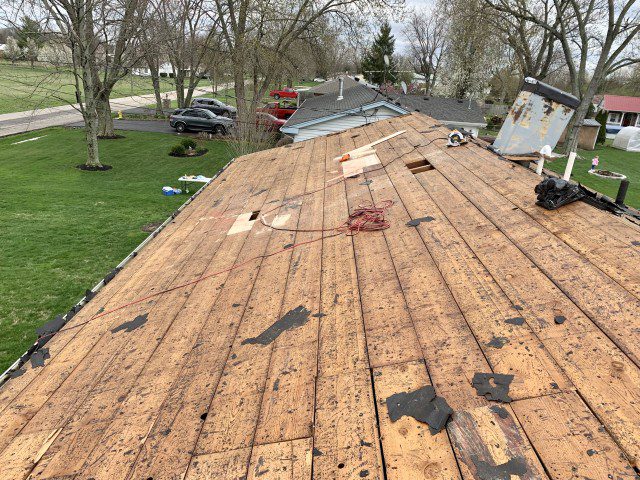
When should a roof be replaced?
When should a roof be replaced is one of its most important components, providing protection from the elements and helping to maintain structural integrity. As such, it’s important that homeowners know when it’s time to replace their roofs so they can keep their homes safe and secure. But how do you know when it’s time? In this blog post, we’ll discuss the signs that indicate your roof needs replacement and why regular maintenance is essential for keeping your roof in good shape. Read on to learn more about when you should consider replacing the roof.
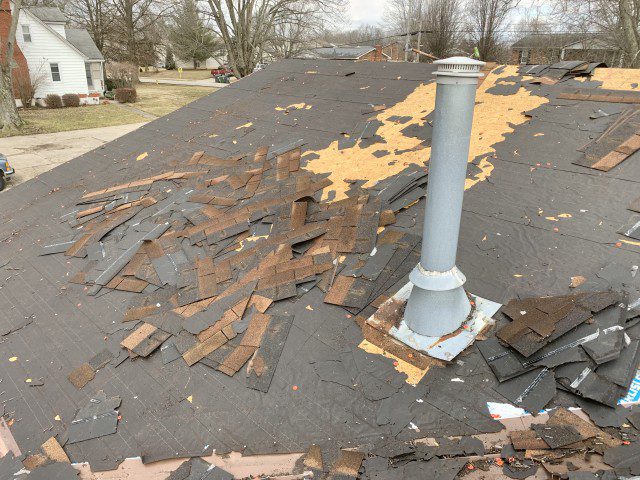
The most obvious sign that you should consider replacing your roof is age. In general, roofs have an average lifespan of 20-25 years, depending on the type of material the roofer used and how well it’s been maintained over time. If your roof is nearing or has exceeded its expected life span, it may be time to start thinking about a replacement. Another factor to consider is the condition of your roof’s shingles. Over time, shingles can become cracked, brittle, or missing meaning they no longer provide adequate protection against water damage and other elements. If you notice any signs of wear and tear, it’s important to get them checked out by a qualified professional so they can assess whether replacement is necessary.
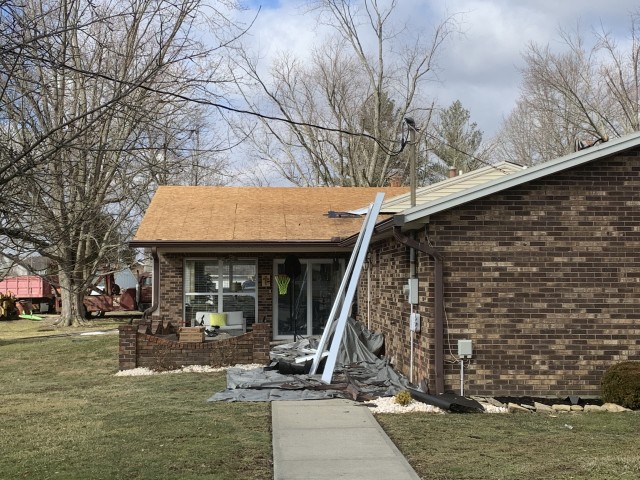
Apart from age and condition, there are other warning signs that can indicate a roof replacement is needed. These include leaks, signs of rot or rust on the flashing (metal strips around chimneys and vents), and any sagging in the roof deck. If you notice any of these issues, it’s important to get them checked out as soon as possible before the damage gets worse.
Regular maintenance is key to extending the life of your roof and helping to identify potential problems early on. This can range from simple DIY checks such as clearing gutters and checking for loose shingles to more complex tasks like inspecting flashings for corrosion.
Roof replacement
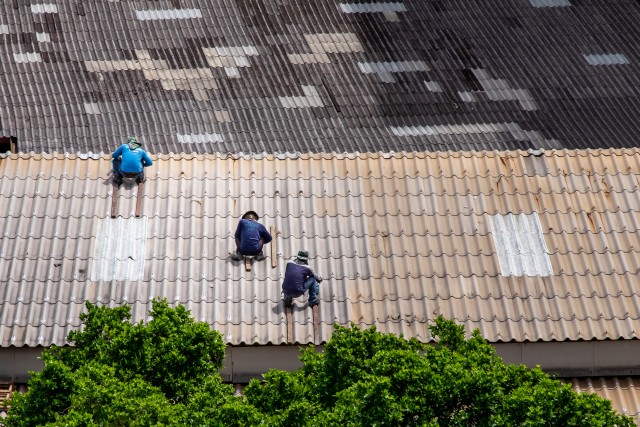
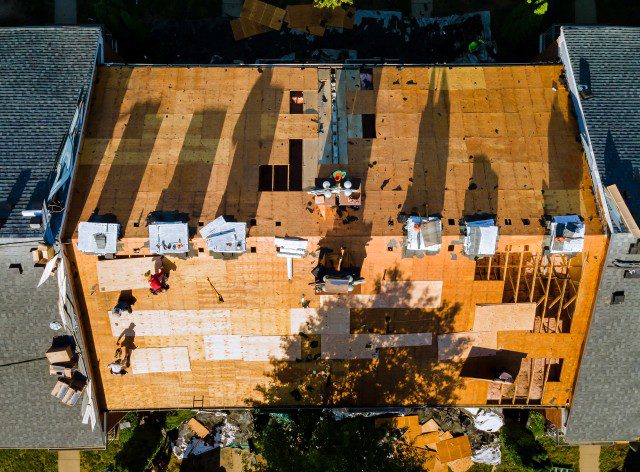
Replacing a roof can be a daunting task, but it’s an important part of maintaining the structural integrity and safety of your home. Roof replacement is typically necessary when a roof has reached the end of its life expectancy or if there are signs of significant damage such as rot, rust, or missing shingles. Depending on the size and complexity of your project, you may need to hire a professional contractor to ensure that everything is installed properly and up to local building codes.
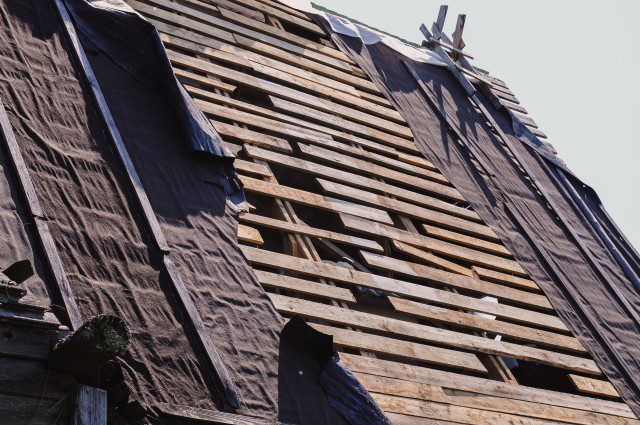
When replacing your roof, there are several factors to consider including material type, cost, and energy efficiency. Common roof materials include asphalt shingles, wood shakes & shingles, metal panels & tiles, slate tiles, clay tiles, rubber membranes, and synthetic materials. Asphalt shingles are the most affordable material option while wood shakes & shingles tend to be more expensive but offer greater protection against extreme weather conditions. Metal panels & tiles are also becoming more popular due to their durability and energy efficiency benefits. Additionally, certain types of synthetic materials can offer superior protection while also being more environmentally friendly than traditional roofing materials.
When replacing your roof it’s important to make sure that everything is properly installed according to manufacturer instructions as well as any local building codes in order to maximize its longevity and performance. This includes ensuring that all flashing around chimneys and vents is in good condition and that proper underlayment is used before new shingles are applied. It’s also important to inspect your attic insulation regularly in order to reduce heat loss through the roof during colder months which can help reduce energy costs over time.
Regular maintenance of your roof is essential for maintaining its performance over time so it’s important to check for signs of wear or damage at least once every season. This includes inspecting gutters for debris build-up or checking for cracked or missing shingles which could lead to water damage over time if not addressed promptly. Regular inspections allow you to identify problems early on before they become major issues requiring costly repairs or full roof replacements down the line.
Roofing materials
When it comes to roofing materials, there are many options to choose from depending on the needs of your home and budget. Asphalt shingles are one of the most common and affordable roofing materials available; they are lightweight, durable, and easy to install. Wood shakes & shingles provide a higher level of protection against extreme weather conditions but tend to be more expensive. Metal panels & tiles offer superior durability and energy efficiency while also being more environmentally friendly than traditional roofing materials.
Clay tiles have been used for centuries due to their superior water resistance and fire safety ratings, making them ideal for coastal areas. Rubber membranes are often used in flat roofs due to their flexibility and excellent waterproofing capabilities. Synthetic roofing materials such as rubber slate or imitation shake can provide a similar aesthetic appeal as natural material options at a cheaper price point.
No matter what type of material you choose for your roof replacement project, it’s important to ensure that the installation is done correctly in order to maximize its longevity and performance. This includes making sure that all flashing around chimneys and vents is in good condition as well as properly installing underlayment before new shingles are applied. Additionally, it’s important to inspect your attic insulation regularly in order to reduce heat loss through the roof during colder months which can help reduce energy costs over time.
Partial roof replacement
Partial roof replacement is an often more cost-effective method of repairing a roof than replacing the entire roof. This type of repair work involves identifying the specific area of damage and only replacing the damaged components, such as shingles, tiles, or sections of wood shakes. In some cases, partial roof replacement may also include adding new underlayment or insulation to improve energy efficiency or waterproofing capabilities.
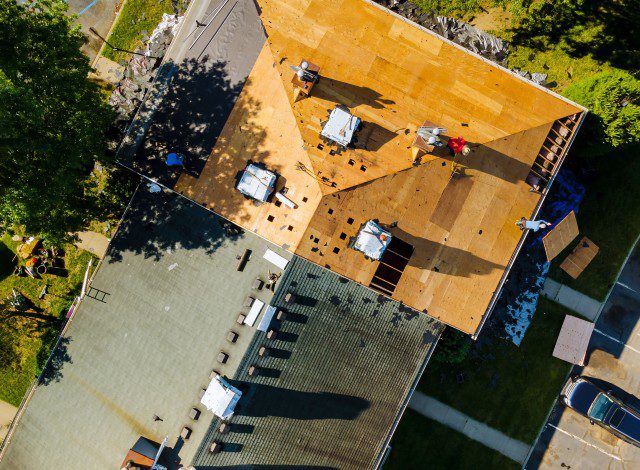
When deciding whether a partial or full roof replacement is appropriate for your home, it’s important to take factors such as age and condition into account. If the existing roof is still relatively young and in good condition aside from a few damaged areas, then opting for a partial replacement could be beneficial in terms of both cost and longevity. However, if the existing roof has already passed its expected lifespan then it’s likely more cost-effective to replace the entire surface rather than attempting to patch individual sections.
It’s also important to consider how much of your home will be impacted by the repair work when deciding between partial and full replacements. Partial repairs usually involve less disruption as you won’t need to tear off large sections of existing materials while still achieving similar results in terms of protection and performance as a full replacement. Additionally, this method can help preserve any unique architectural features that are present on your home’s exterior.
If you do choose to go with a partial roof replacement rather than a total overhaul, make sure that you are working with an experienced professional who can accurately assess the extent of damage and provide appropriate solutions for long-term performance.
Basic asphalt shingles
Basic asphalt shingles are a popular and affordable option for roof replacement projects. Asphalt shingles are made from a fiberglass base that is laminated with mineral granules and covered with asphalt. These lightweight, durable shingles are available in a variety of colors, textures, and shapes to suit almost any architectural style. They offer excellent protection against UV rays, rain, hail, snow, and wind while also providing superior fire resistance. Asphalt shingles typically last between 15 to 30 years depending on the climate conditions they are exposed to. Additionally, they come with a wide range of warranty options so that you can feel secure in the knowledge that your roof will be protected for many years to come.